

A sinus lift, often called a sinus graft, is a surgical technique used to increase bone height in the upper jaw where the back teeth used to be. Over time, the maxillary sinus — the air-filled cavity above the upper back teeth — can expand downward and leave very little bone between the mouth and the sinus floor. Without sufficient bone volume, dental implants cannot be anchored reliably. A sinus lift restores the lost bone height by gently elevating the sinus membrane and placing bone graft material beneath it to create a new, stable foundation.
This procedure is a routine part of modern implant dentistry and is performed to make long-term implant success possible for patients who otherwise would not be candidates. The term “sinus lift” describes the key step of lifting the sinus lining upward, while “sinus graft” refers to the placement of the bone or bone-like material that integrates with the jaw. Both names are commonly used, and clinicians may choose one or the other depending on the specific technique and graft material.
Importantly, a sinus augmentation is tailored to the individual. Preoperative imaging, such as a cone beam CT scan, lets clinicians measure available bone, examine the sinus anatomy, and plan the safest approach. This personalized planning helps reduce surprises during surgery and improves the predictability of the outcome.
Tooth loss, long-term denture wear, and natural bone resorption are common reasons the upper jaw can lose height. When a tooth is removed, the body slowly remodels the surrounding bone; in the upper posterior jaw, that process can be compounded by the proximity of the maxillary sinus. As the sinus pneumatizes — that is, it enlarges into the area where tooth roots once were — the amount of usable bone for implants decreases. A sinus lift addresses this deficit by rebuilding bone where it’s needed most.
Other factors that influence the need for a sinus graft include the timing since tooth loss, the pattern of bone loss, and the patient’s overall oral health. Patients who desire implants for single teeth, multiple teeth, or implant-supported dentures can all benefit from sinus augmentation when bone volume is insufficient. In many cases, restoring adequate bone not only enables implant placement but also supports better long-term oral function and prosthetic outcomes.
Not every case requires the same solution. Some patients have enough residual bone height to receive an implant at the same time as a more conservative graft (a crestal approach), while others need a more substantial lateral window graft and a healing period before implants are placed. The clinician’s assessment and imaging determine which pathway will give the most predictable result.
There are two principal approaches to sinus augmentation: the lateral window technique and the crestal (or transcrestal) approach. The lateral window technique creates a small opening in the side of the maxilla to access the sinus membrane directly; this method is preferred when more bone height is required. The crestal technique is less invasive and is used when only a small lift is necessary. Both methods share the same goal — to lift the sinus membrane and place graft material beneath it — but they differ in access, instrumentation, and typical healing timelines.
The operation is performed under local anesthesia and, if desired, with sedation to keep patients comfortable. After accessing the sinus, the surgeon carefully elevates the Schneiderian membrane (the sinus lining) and inserts the chosen graft material. Graft options include processed human bone (allograft), animal-derived bone (xenograft), or synthetic bone substitutes; sometimes a patient’s own bone (autograft) is used when appropriate. The graft material acts as a scaffold that the patient’s own bone gradually replaces during healing.
When the graft is placed, the area is sutured closed and allowed to heal. If enough native bone is present to stabilize an implant, the implant may be placed at the same appointment. When additional time is needed for the graft to consolidate, implant placement is scheduled after a healing period that typically ranges from several months depending on the graft type and the patient’s healing response.
Recovery after a sinus lift is generally well tolerated, but patients should expect some swelling, mild discomfort, and transient nasal congestion for a few days. Clinicians provide postoperative instructions to minimize complications and support healing — this includes advice about avoiding nose blowing, sneezing with a closed mouth, heavy lifting, and other activities that increase sinus pressure during the early healing phase. Pain management and short-term antibiotics or nasal decongestants may be recommended when clinically indicated.
Possible complications are uncommon but important to understand. The most frequently discussed risk is perforation of the sinus membrane during surgery, which can usually be repaired at the time of treatment. Other potential issues include infection, delayed graft integration, and sinus inflammation. Proper case selection, meticulous surgical technique, and modern imaging greatly reduce these risks and contribute to consistent outcomes.
Patient factors also influence healing. Smoking, uncontrolled systemic conditions, and chronic sinus problems can affect graft success and extend recovery time. A thorough preoperative evaluation — including medical history, sinus health assessment, and radiographic imaging — helps the clinical team identify and manage these variables before proceeding, putting patient safety and predictability first.
Sinus augmentation is rarely an isolated decision; it is one step in a broader implant treatment plan that considers function, esthetics, and long-term stability. During planning, clinicians evaluate the final prosthetic goals, the quality and quantity of remaining bone, and the patient’s preferences. This collaborative planning determines whether implants are placed immediately, after a healing interval, or if staged procedures will provide the best outcome.
Advanced imaging and digital planning tools allow the surgical team to place implants in the optimal positions relative to the planned crowns or dentures. In many cases, sinus grafting makes it possible to restore chewing function, preserve facial contours, and avoid removable prostheses that can compromise comfort and nutrition. The coordinated approach between restorative and surgical care enhances both the surgical success and the patient’s overall satisfaction with the final prosthesis.
At our office, treatment plans are explained clearly so patients understand the sequence of care, expected timelines, and the clinical rationale. When sinus augmentation is indicated, the goal is always to provide a stable, enduring foundation for implants while prioritizing safety and predictable healing. This stepwise approach supports long-term success and helps patients make informed decisions about their dental health.
In summary, a sinus lift or sinus graft is a well-established procedure that rebuilds bone in the upper jaw to enable secure dental implant placement. With careful assessment, tailored surgical technique, and attentive postoperative care, many patients regain the stable support needed for long-lasting implant restorations. If you would like to learn more about whether a sinus augmentation is right for you, please contact us for more information. The office of Eliot Dental is happy to help you explore your options and plan a treatment path that fits your needs.


A sinus lift, also called a sinus graft, is a surgical procedure that increases bone height in the upper jaw beneath the maxillary sinus to support dental implants. The maxillary sinuses sit above the upper back teeth, and when teeth are lost the sinus can expand and leave too little bone to anchor an implant. By raising the sinus membrane and placing graft material into the floor of the sinus, the clinician creates new bone where it is needed.
The goal of the procedure is to rebuild the jawbone so that implants can be inserted and stabilized long term. Over the course of healing the graft material integrates with the natural bone and becomes a strong foundation for implant-supported restorations. Sinus lift techniques are well established and commonly used when posterior maxillary bone is insufficient for implants.
A sinus lift is recommended when there is inadequate vertical bone under the maxillary sinus to secure an implant. Tooth loss, long-term denture wear, periodontal disease, and natural sinus expansion can all reduce bone volume in the posterior upper jaw. Without enough bone, an implant cannot be placed with the primary stability required for successful osseointegration.
During an implant evaluation the dentist will review dental history and take imaging to measure bone height and density. When imaging shows a thin sinus floor or limited ridge height, a sinus augmentation is often the predictable way to enable implant therapy where it would otherwise be impossible.
There are two common approaches to sinus augmentation: the lateral window technique and the crestal (or osteotome) approach. In the lateral window method the surgeon creates a small opening in the side of the maxilla, elevates the sinus membrane, and places graft material into the space; the crestal approach is less invasive and lifts the membrane through the implant site when only a small augmentation is needed.
Procedures are typically done under local anesthesia with the option of sedation for patient comfort, and the graft site is sutured to allow healing. Follow-up visits monitor healing, and implants are placed after adequate bone maturation, which varies by graft type and individual healing response.
Graft options include autograft (patient's own bone), allograft (donor human bone), xenograft (animal-derived bone), and synthetic bone substitutes. Each material has advantages: autograft is osteogenic but requires a donor site, allografts and xenografts avoid a second surgical site, and synthetics eliminate biological sourcing concerns. The clinician selects a material based on clinical needs, healing expectations, and surgical goals.
Many grafts are combined with slow-resorbing matrices or membranes to support bone formation and protect the sinus membrane during healing. Regardless of material, the key is stable graft placement and protection from infection to allow new bone to form and integrate with the native jaw.
Early recovery commonly includes mild to moderate swelling, bruising, and discomfort that can be managed with prescribed or over-the-counter medications and cold therapy. Patients are typically advised to avoid forceful nose blowing, heavy lifting, and activities that increase sinus pressure for several weeks to protect the graft and membrane. The office of Eliot Dental provides clear post-operative instructions and schedules follow-up appointments to monitor healing and address any concerns.
Minor bleeding or nasal congestion may occur in the first few days, and oral hygiene measures are modified to avoid disturbing the surgical site. Complete bone maturation takes several months, during which the graft consolidates and becomes suitable for implant placement; your clinician will confirm timing with clinical exams and imaging.
As with any surgical procedure, sinus augmentation carries risks including infection, prolonged bleeding, graft failure, and irritation of surrounding tissues. One of the most common intraoperative issues is perforation of the sinus membrane; small perforations are often repairable, while larger tears may require additional management or staging. Serious complications are uncommon when the procedure is planned and executed by an experienced surgical team.
Risk is reduced through thorough preoperative evaluation, careful surgical technique, and appropriate postoperative care. Patients with a history of chronic sinus disease or certain medical conditions should discuss these issues with the clinician and may be referred to an ear, nose and throat specialist for coordinated care when indicated.
In some cases a sinus lift and implant placement can be performed in a single surgical visit, but this depends on how much native bone remains to achieve primary implant stability. When there is adequate residual bone to hold the implant securely at the time of placement, simultaneous grafting and implantation may be appropriate and can shorten the overall treatment timeline. When bone height is insufficient to stabilize an implant, the graft is staged first and allowed to heal before implant placement.
The decision between a simultaneous or staged approach is made after radiographic assessment and planning. Your clinician will explain the rationale for the recommended sequence and how it relates to long-term implant success and functional outcomes.
Preparation begins with a comprehensive medical and dental evaluation including a review of medications, medical conditions, and imaging such as cone beam computed tomography for precise planning. Patients should disclose any history of sinus problems, recent infections, or conditions that affect healing, and discuss use of tobacco and certain medications that may impact the procedure. The clinician will provide specific preoperative instructions regarding fasting, medications, and arrival time if sedation is planned.
Arranging transportation and a companion for the day of surgery is recommended when sedation is used, and patients should follow any instructions about antibiotics or rinses if prescribed. Clear communication with your dental team helps ensure a safe, predictable outcome and reduces the likelihood of avoidable complications.
When performed correctly, sinus augmentation should not cause chronic sinus disease or long-term impairment of sinus function. The procedure elevates the sinus membrane in a controlled manner and places graft material beneath it without disrupting sinus drainage pathways. Most patients experience only temporary sinus-related symptoms such as congestion or mild pressure during the early healing period.
Patients with active or chronic sinus inflammation should be evaluated before surgery and may need medical treatment or consultation with an ENT specialist prior to grafting. Careful patient selection, imaging, and surgical technique minimize the chance of lasting sinus issues.
Eliot Dental offers comprehensive evaluation and treatment planning for patients who need sinus augmentation as part of implant therapy, including diagnostic imaging and a review of medical history to determine the safest, most effective approach. The clinical team coordinates care, recommends appropriate graft materials and surgical technique, and discusses timelines so patients understand each phase from grafting through implant restoration. Sedation options and individualized post-operative instructions are available to support patient comfort during recovery.
During a consultation the clinician will explain whether a simultaneous or staged approach is recommended and outline expected healing milestones. Patients in Middle Village and the surrounding communities can expect clear communication, thorough follow-up, and a treatment plan focused on predictable long-term results.
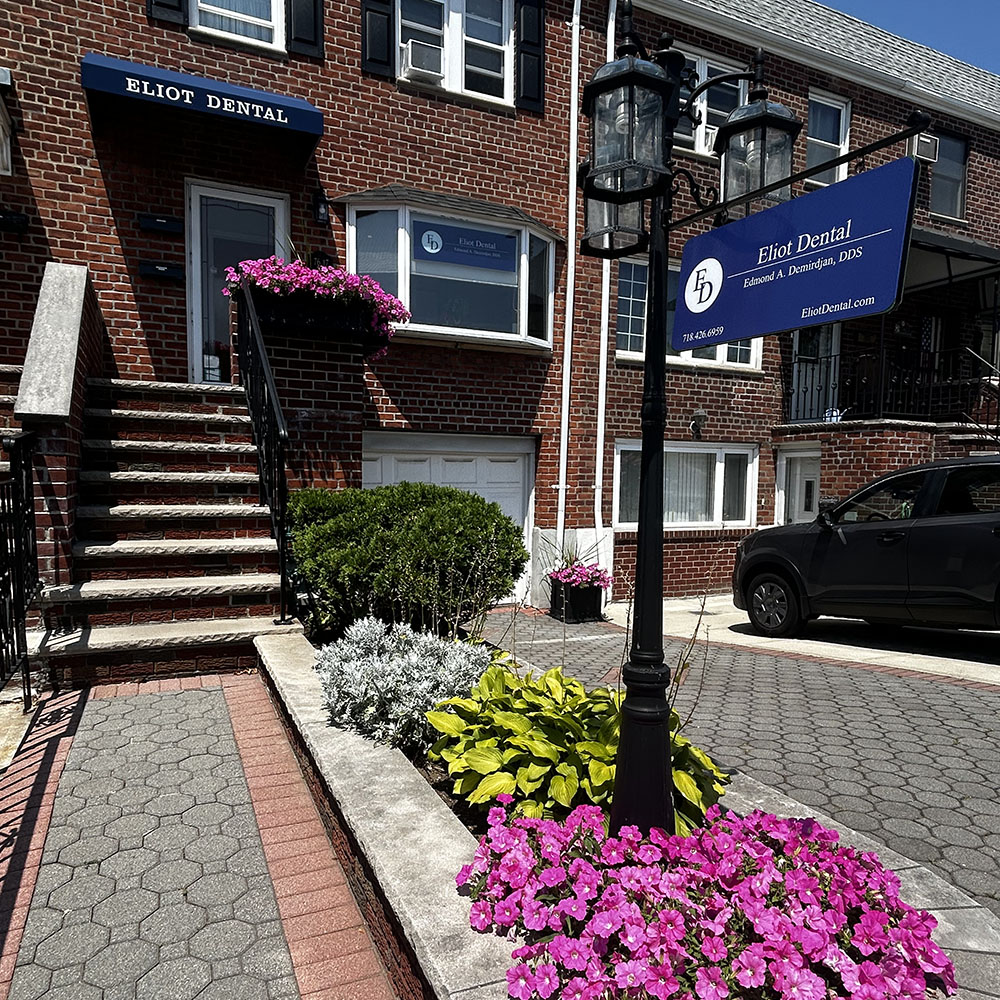
Ready to schedule your next dental appointment or have questions about our services?
Contacting Eliot Dental is easy! Our friendly staff is available to assist you with scheduling appointments, answering inquiries about treatment options, and addressing any concerns you may have. Whether you prefer to give us a call, send us an email, or fill out our convenient online contact form, we're here to help. Don't wait to take the first step towards achieving the smile of your dreams – reach out to us today and discover the difference personalized dental care can make.


Back to top